
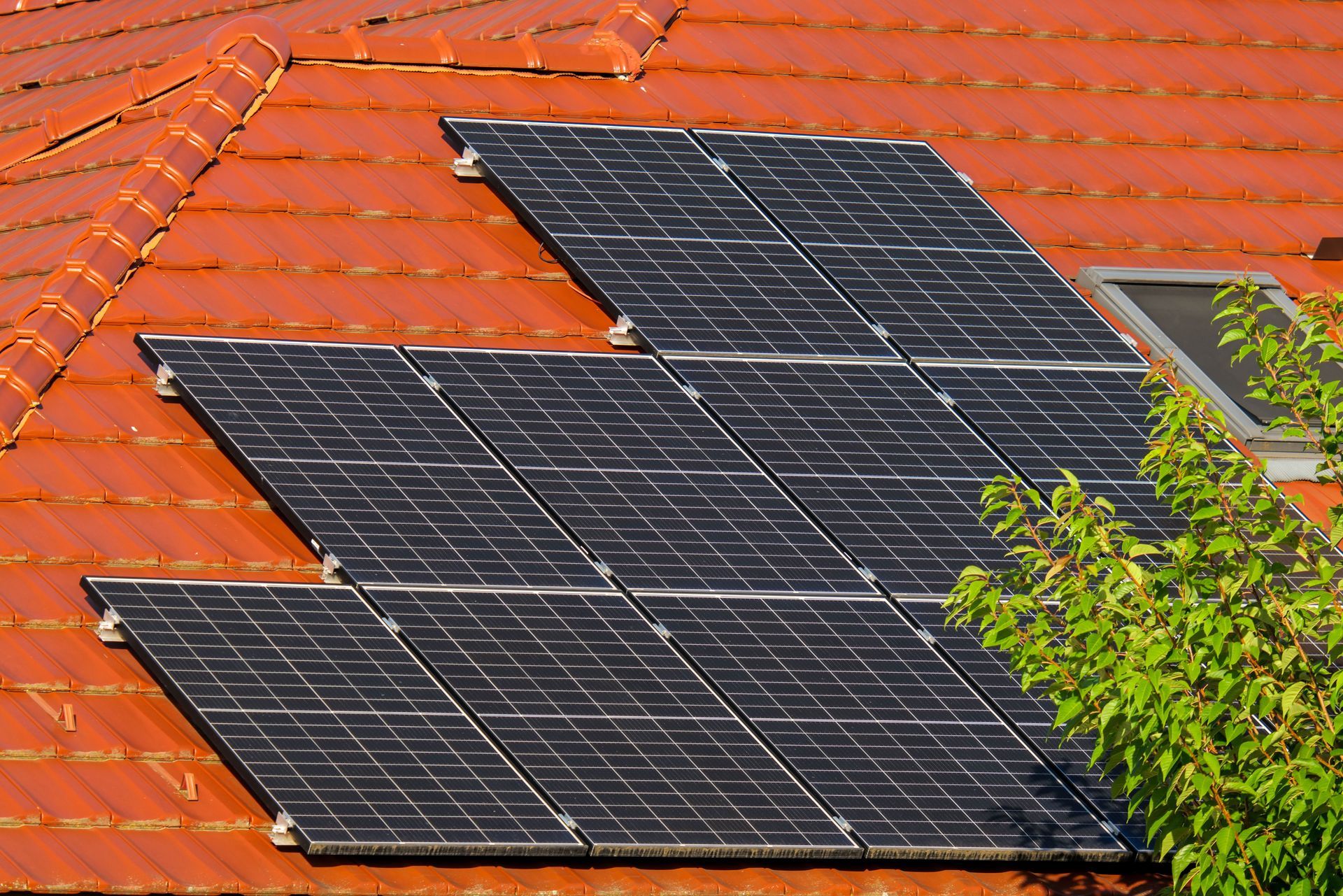
Solar Sized Correctly for Your Home's Actual Usage
Residential solar panel systems in Granby for homeowners evaluating roof suitability, system sizing, and grid interconnection
The sizing decision is where most solar installations succeed or fall short. A system built on estimated averages rather than your home's documented electricity usage will either overproduce what the grid will credit or underproduce what your household actually draws—both outcomes compromise the financial case for installing panels in the first place. Better Home Solutions LLC installs residential solar panel systems in Granby as an independent dealer for three manufacturers: Savcap, Momentum, and Bold Energy. Operating as a multi-manufacturer dealer means the system recommendation is based on what fits your roof geometry, usage profile, and budget rather than what a single product line can offer.
Every installation begins with a roof assessment and electricity usage review before any system is specified. The roof assessment checks structural condition, age, orientation, and shading—a south-facing roofline with minimal obstruction, common on Colonial and ranch homes throughout the Granby and Avon Mountain area, produces meaningfully different output numbers than an east-west split pitch or a heavily tree-shaded north slope. Once the system is sized and the design approved, Better Home Solutions LLC handles electrical installation, grid interconnection with Eversource, permitting, and all utility paperwork. Hearth financing is available to spread the project cost.
Arrange a roof and usage assessment to establish what system size your home actually supports and what the interconnection process involves in your area.
What Solar Installation Actually Accomplishes for Granby Homeowners
Connecticut's property tax exemption for solar installations means that the added assessed value a system creates doesn't translate into higher property tax liability—a distinction worth understanding before assuming that adding home value through solar will increase your annual tax bill. On the Eversource grid, net metering credits excess production back against your bill at the retail rate, which is the mechanism that makes the payback math work for households with consistent daytime electricity draw. The system sizing process has to account for your actual consumption pattern, not a regional average, because net metering credits cap at annual usage and excess production beyond that isn't compensated at the same rate.
After installation and interconnection are complete, what you'll notice operationally is straightforward: the utility meter runs backward during production hours and your monthly Eversource bill reflects the net of what you consumed versus what you generated. The system itself requires no daily interaction—inverter monitoring shows production data, and the panels produce without maintenance input for the life of the system assuming the roof underneath remains in good condition.
As an independent dealer, Better Home Solutions LLC is not committed to placing one manufacturer's product regardless of fit. The three available product lines cover different price points and performance specifications, so the recommendation accounts for roof load capacity, available square footage, and budget ceiling rather than defaulting to a single option.
How the Solar Installation Work Gets Done
Homeowners considering solar for the first time often have practical questions about how the installation sequence works and what happens between the assessment and the first day of production.
What does the roof assessment look for before solar panels are specified?
The assessment checks roof age, decking condition, pitch, orientation, and shading from nearby trees or structures—panels installed on a roof that needs replacement within five years will have to be removed and reinstalled when that work happens, so roof condition directly affects whether installation timing makes sense.
How is system size determined for a specific home?
System size is calculated from twelve months of electricity usage data from your utility bills combined with the usable roof area and orientation, producing a panel count and inverter specification that matches your actual consumption rather than a neighborhood average.
What does grid interconnection with Eversource involve?
Interconnection requires submitting an application to Eversource with system specifications, receiving approval before the system is energized, and passing a utility inspection—Better Home Solutions LLC handles all of this paperwork as part of the installation scope.
How does a south-facing roofline affect panel output compared to other orientations?
A true south-facing roof pitch in Granby receives maximum solar exposure throughout the day, while east or west orientations shift peak production to morning or afternoon windows and reduce total daily output by a meaningful percentage depending on roof angle.
What maintenance does a residential solar system require after installation?
Panel surfaces should be inspected periodically for debris accumulation, and inverter performance data should be reviewed periodically to confirm output matches expected production—the electrical components and panels themselves have no moving parts and typically require no routine servicing.
Better Home Solutions LLC also installs residential solar panel systems in Avon, Fairfield, Branford, Manchester, and Clinton. If your Granby home has a suitable roof and you want a system sized to your actual usage, contact Better Home Solutions LLC to schedule the roof and usage assessment that starts the process.